What to Track After a Commercial Property Tour
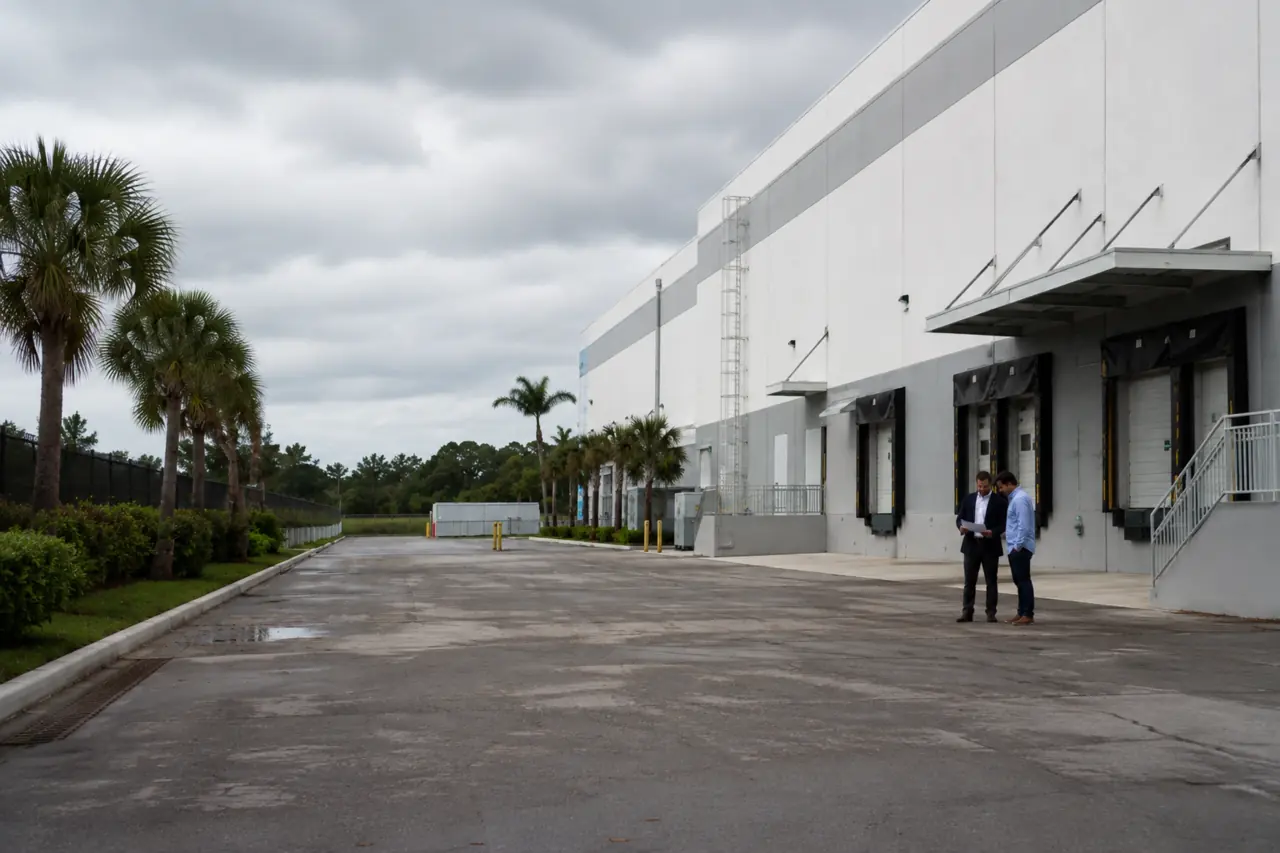
A commercial property tour creates information that never appears in the flyer. Access feels tighter than the aerial suggested. The rear bay has water staining. The buyer reacts to the loading court but goes quiet at the office buildout. If those details remain in one broker’s memory, the deal loses useful context before the next call.
Record physical facts while they are fresh
Start with observations, not conclusions. Note access points, curb cuts, loading, clear height, parking, utilities, visible roof or drainage concerns, neighboring uses, traffic movement, and any difference between the marketing package and the property on the ground. Separate what you saw from what the owner or listing broker said.
Create a short list of unknowns
A productive tour usually creates questions. Who maintains the private road? Is the rear acreage usable? When was the HVAC replaced? Does the municipality have utility capacity? Put each unknown in the deal record and assign the person most likely to answer it. Do not bury the list in a general tour note.
Capture the client’s reaction in their language
The useful signal is often a sentence: “The dock package works, but the employee parking does not,” or “We would move quickly if the seller solves the access issue.” Record the reaction without polishing it into broker language. It will shape the follow-up, the next property you show, and the terms that may matter in an offer.
Keep photos and source documents tied to the property
Upload the photos that explain a decision: the loading court, access point, drainage area, utility equipment, interior condition, or surrounding use. Give files simple names and keep the latest survey, site plan, rent roll, environmental report, or brochure on the same deal. The goal is not a perfect archive; it is fast retrieval during the next live conversation.
Leave the tour with an owner and a deadline
Every open question and next step needs one person and one date. The buyer may review operations by Wednesday. The listing broker may deliver utility information Friday. Your team may prepare a draft offer after pricing is confirmed. Recording this before the next tour prevents a promising visit from dissolving into an undated email thread.
Practical takeaways
- Write observations separately from representations.
- Track every unknown as a task with an owner.
- Record the client’s actual reaction.
- Tie the important photos and documents to the deal.
- Set the next conversation before leaving the site.